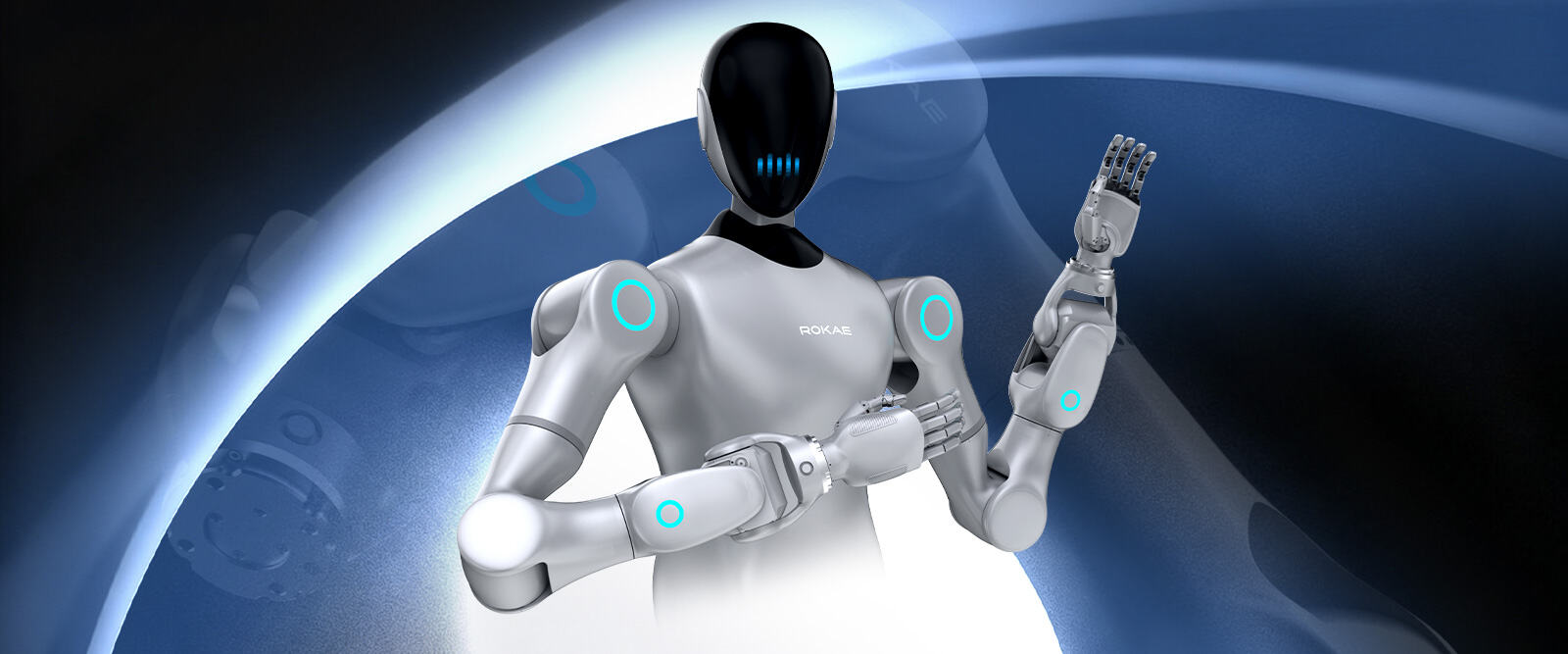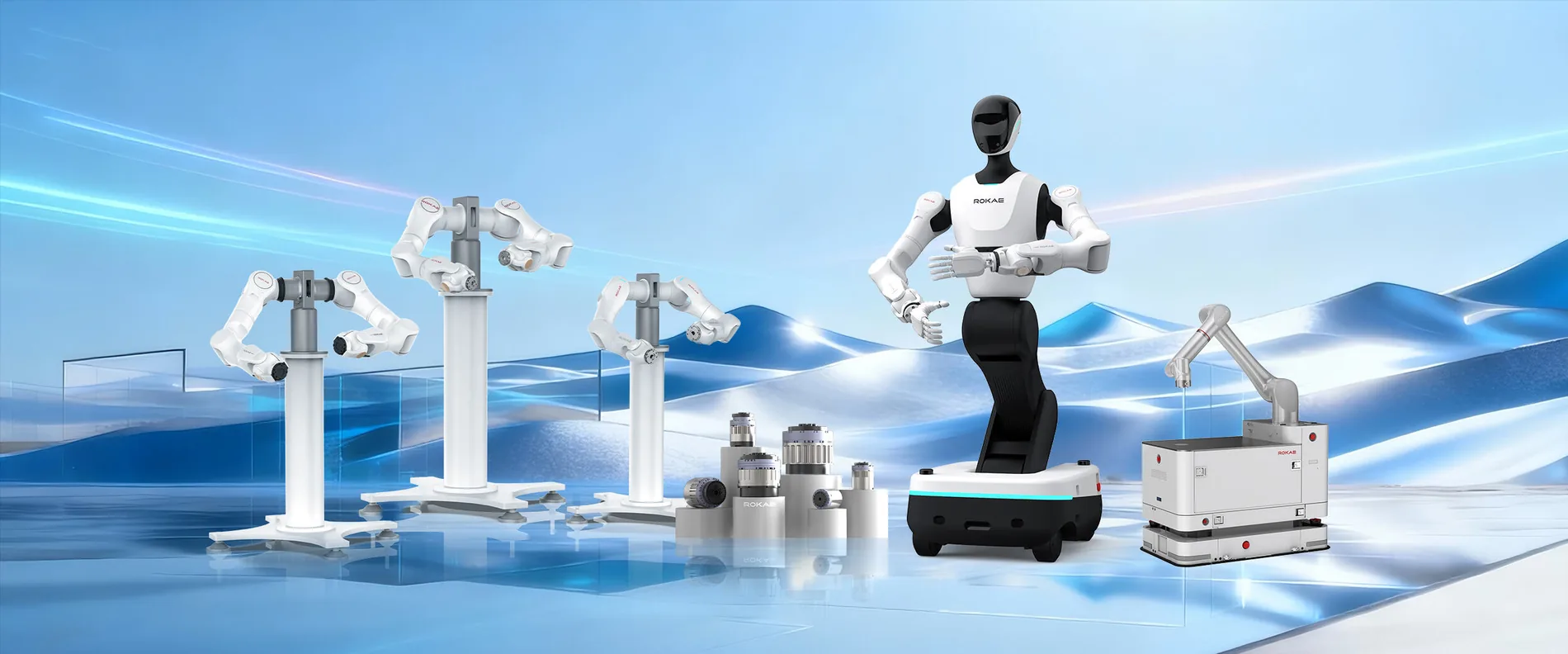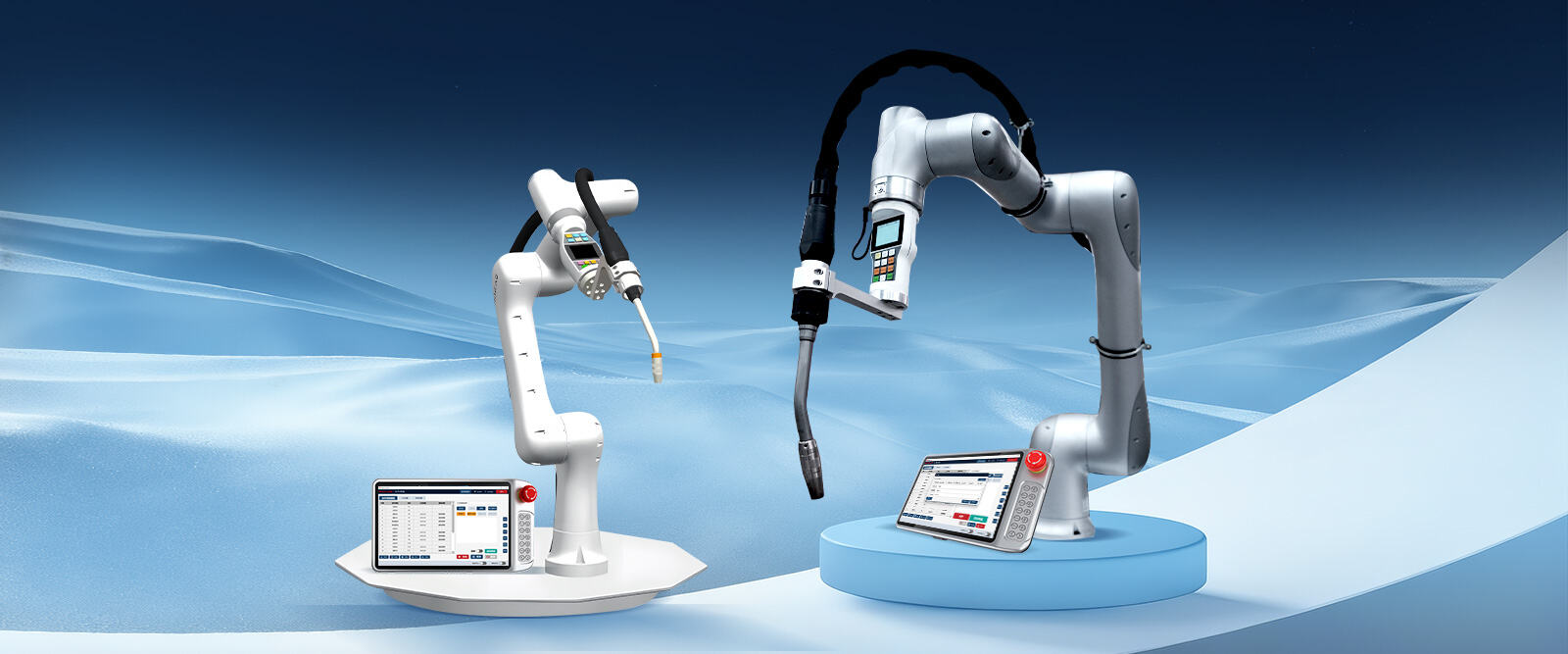
For decades, robots were the blind workforce of industry — programmed to repeat the same movement with millimetre precision, yet completely helpless at the slightest change in their environment. Today, the joint evolution of artificial intelligence (AI) and robotics is transforming this reality. The integration of machine learning algorithms, computer vision and generative AI into robots marks the dawn of a new era: that of autonomous, adaptive, thinking machines.
How do artificial intelligence and robotics interact?
The symbiosis between the two technologies is often described as the relationship between "brain" and "body":
- Computer vision and spatial awareness: Thanks to AI neural networks and 3D sensors, modern industrial robots can "see" their environment. They detect defects, sort randomly placed parts and correct their trajectory in real time.
- Generative AI and autonomous learning: Through simulations and generative AI, robotic systems learn complex tasks in hours rather than requiring engineers to write thousands of lines of manual code.
- Physical AI: This is the technological leap where AI does not simply analyse data on a screen but makes physical decisions — from adapting welding current to a variable gap between parts to safely stopping when a person enters the workspace.
What is the future of this partnership?
The future of AI–robotics collaboration is shaped by three key trends:
- Full manufacturing flexibility (Lot-Size-One): Intelligent robots will allow factories to rapidly retool production lines for customised products without interrupting the process.
- Agentic AI and autonomy: Robots will solve problems independently — for example, replanning their logistics route inside a factory if they encounter an obstacle, or signalling a maintenance need before a breakdown occurs.
- Smart cobots (Collaborative Robots): Human–robot interaction will become natural thanks to voice commands and gesture analysis through natural language processing (NLP).
The partnership between artificial intelligence and robotics is no longer simply a prediction for the future — it is the standard for today's Industry 4.0 and 5.0. Enterprises that implement these intelligent solutions today will operate with greater efficiency, a minimal scrap rate and the highest standards of workplace safety.