The term Physical AI has become one of the most important phrases on the global technology scene. It marks the point at which AI software is integrated directly into robot hardware, enabling machines to act autonomously in unpredictable, dynamic environments. How do these two disciplines interact, and where is this partnership headed?
Key elements of the AI–robotics interaction
| AI Component | Application in robotics | Practical benefit |
|---|---|---|
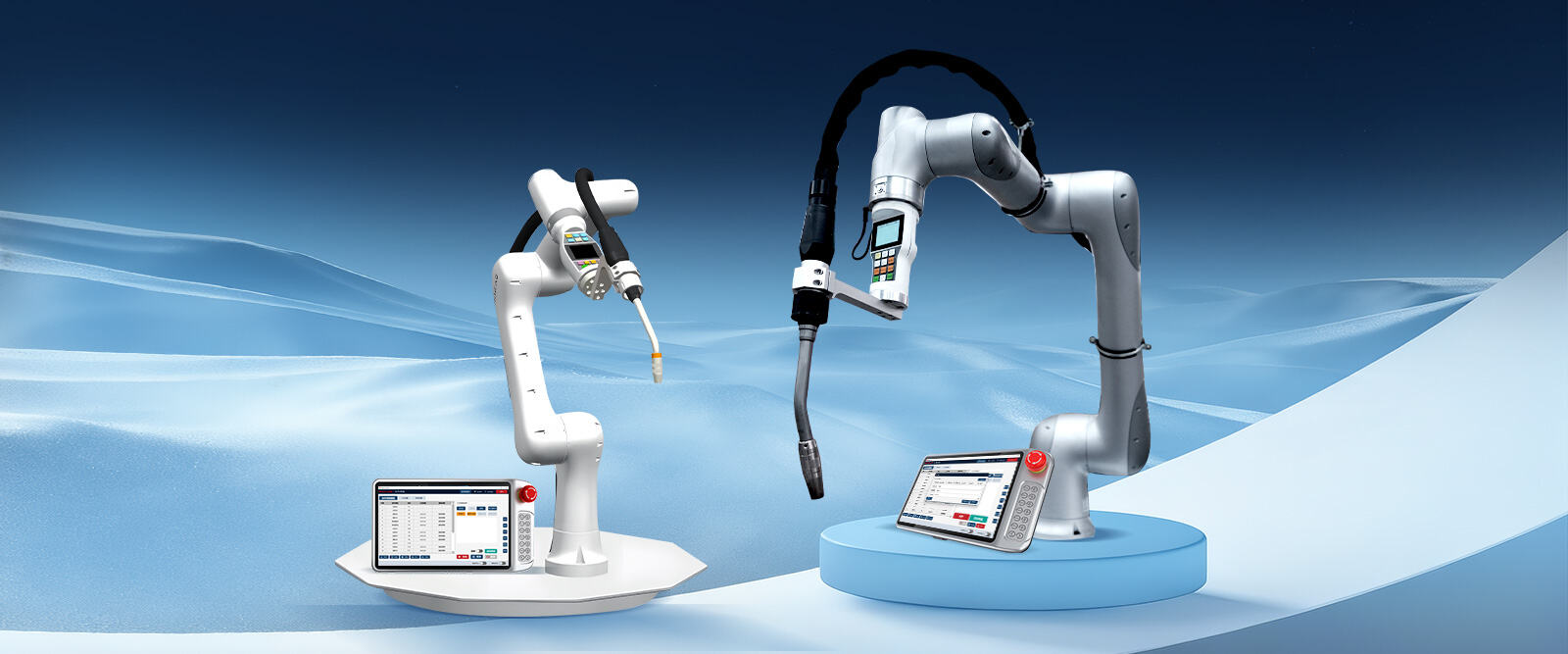
| Computer Vision | Welding, sorting, quality inspection | Micro-defect detection and real-time autocorrection |
| Generative AI | Generative motion and trajectory planning | Saves time programming robotic cells |
| Predictive analytics | Vibration and temperature sensor monitoring | Predictive maintenance with zero unplanned downtime |
| Natural Language Processing (NLP) | Voice commands for cobots and service robots | Intuitive communication without programming code |
What does the future hold?
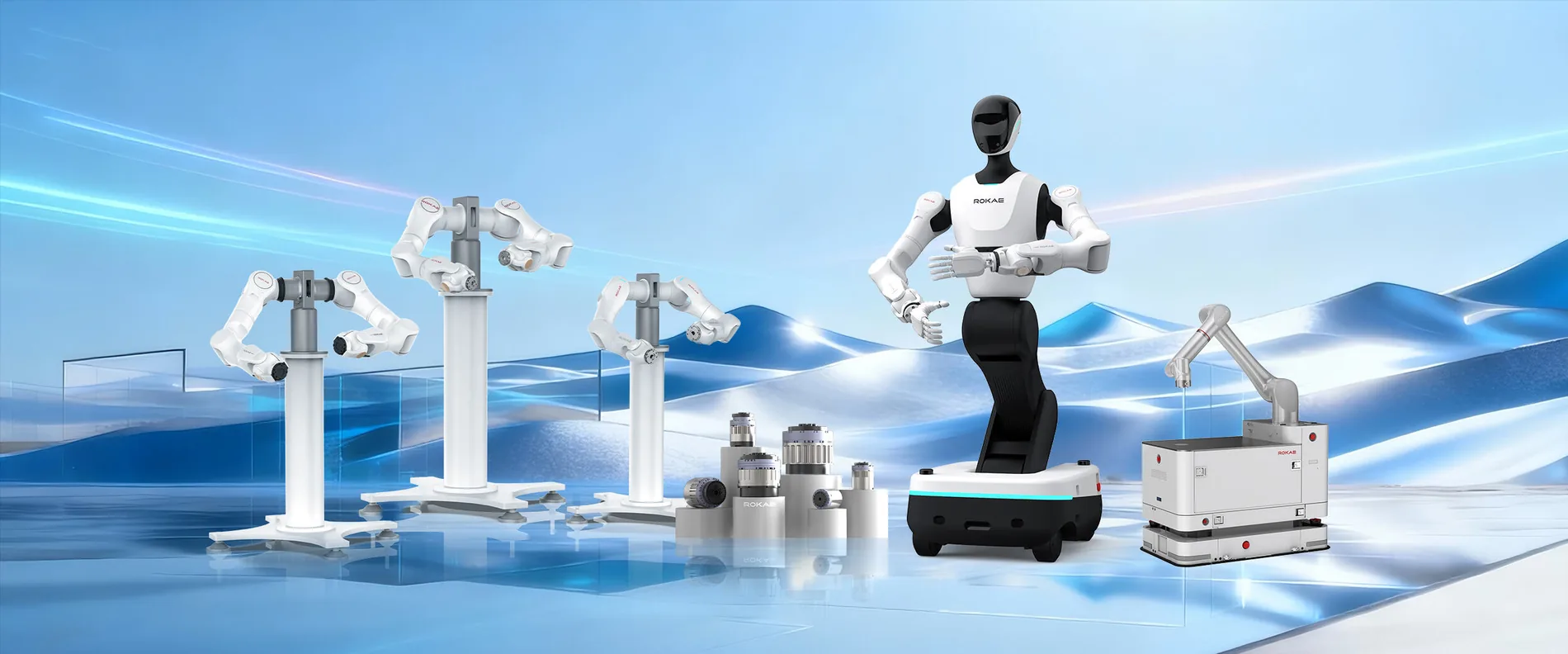
- The Intelligent Factory: Enclosed robot cells of the past are giving way to fully open spaces. Robotic arms and autonomous mobile robots (AMRs) will communicate via an AI layer, optimising the entire material flow of the factory without human intervention.
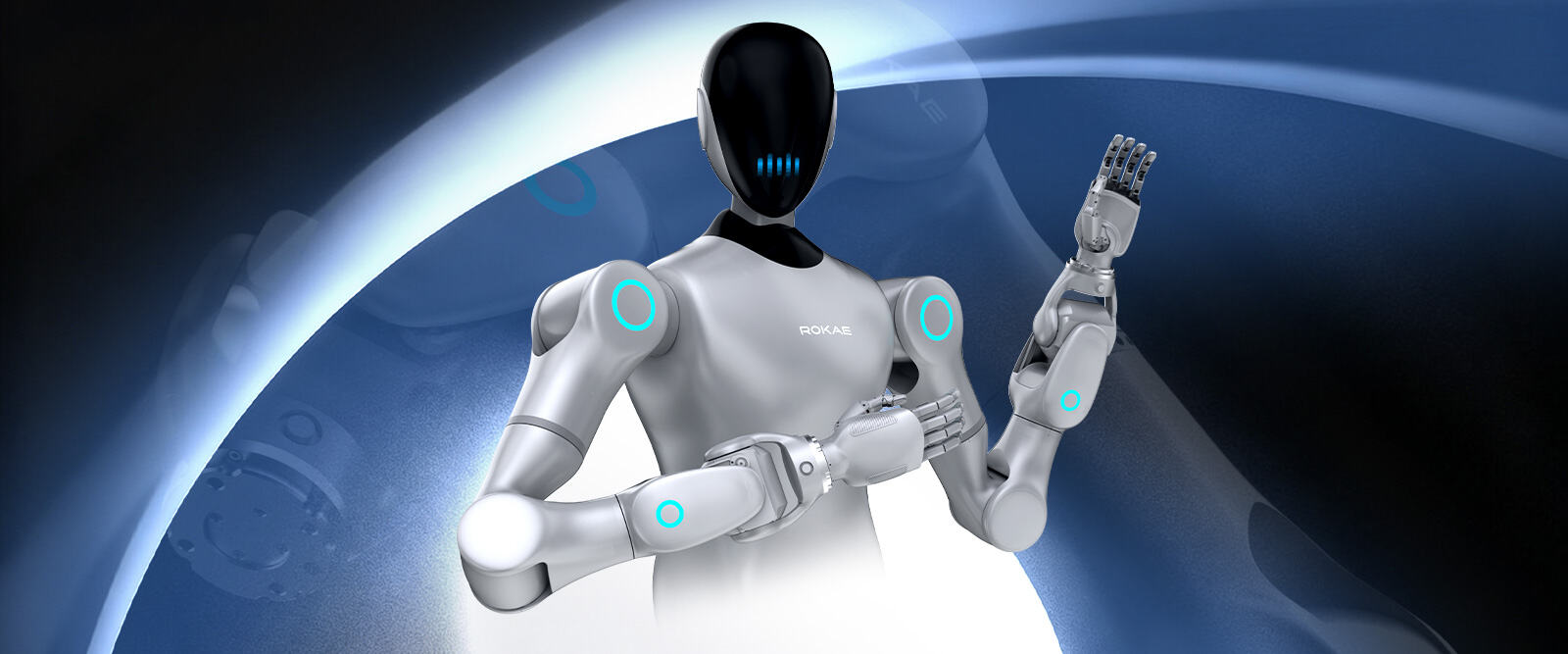
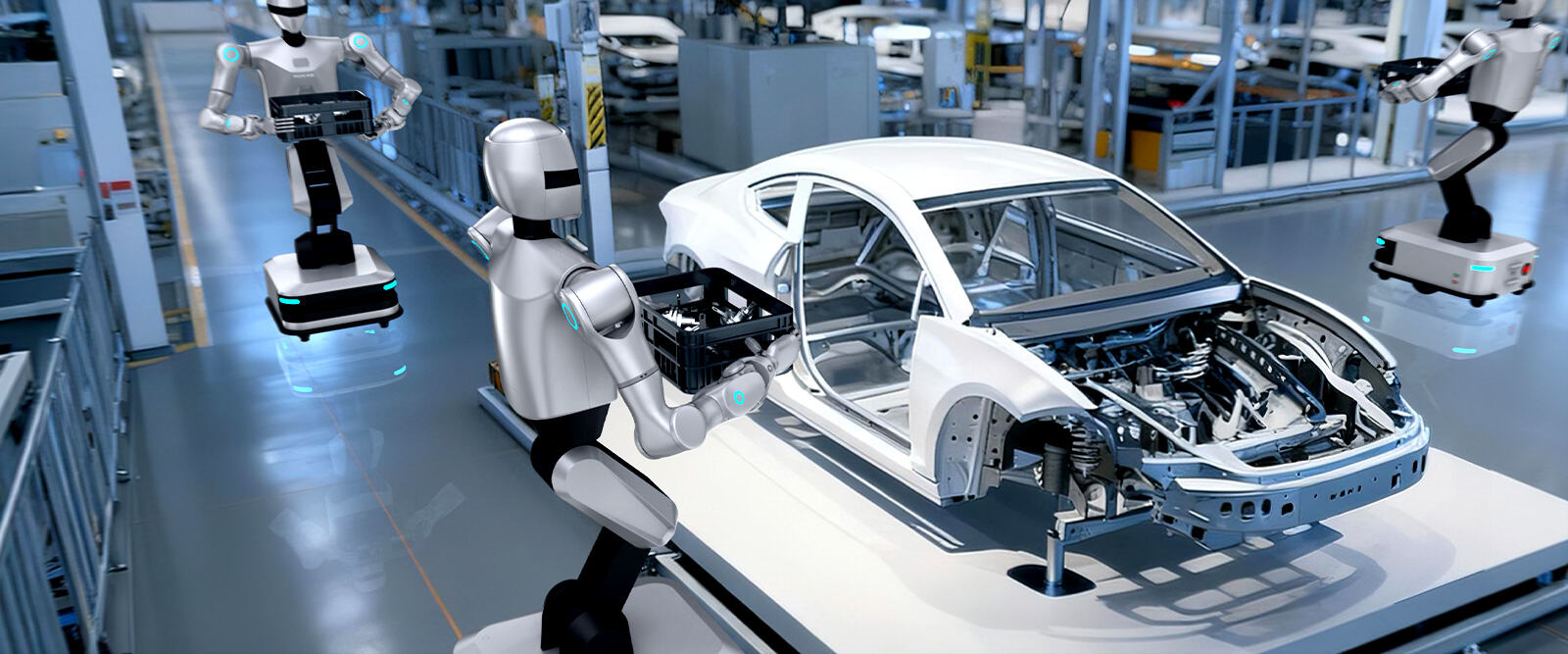
- Humanoid robots in real production: Humanoid platforms are already being intensively tested in automotive plants and logistics centres. Their AI allows them to handle standard tools and navigate existing infrastructure without any structural modifications.
- Next-level autonomy: Driven by Agentic AI, robots will no longer wait for step-by-step instructions. Instead, they will be given a final goal (e.g. "Weld this joint to ISO standard") and find the best way to achieve it on their own.
The merger of artificial intelligence and robotics is creating a new technological paradigm. Companies that integrate Physical AI into their processes gain an undeniable competitive advantage — higher productivity, lower operational costs and the flexibility to meet the demands of tomorrow's market.