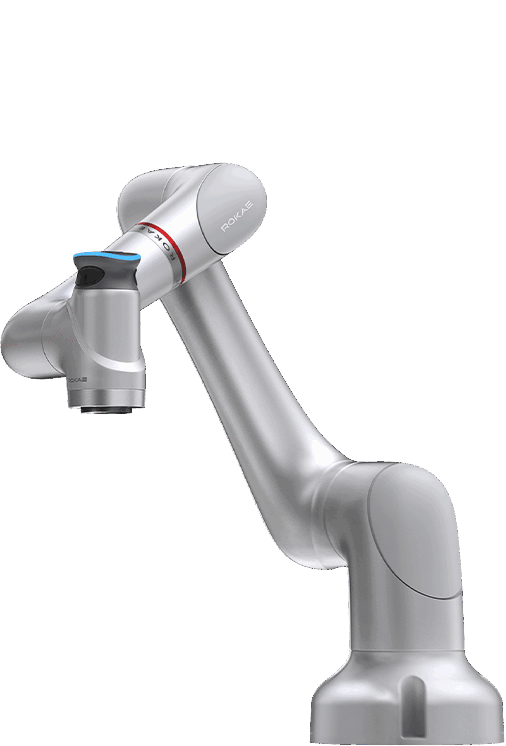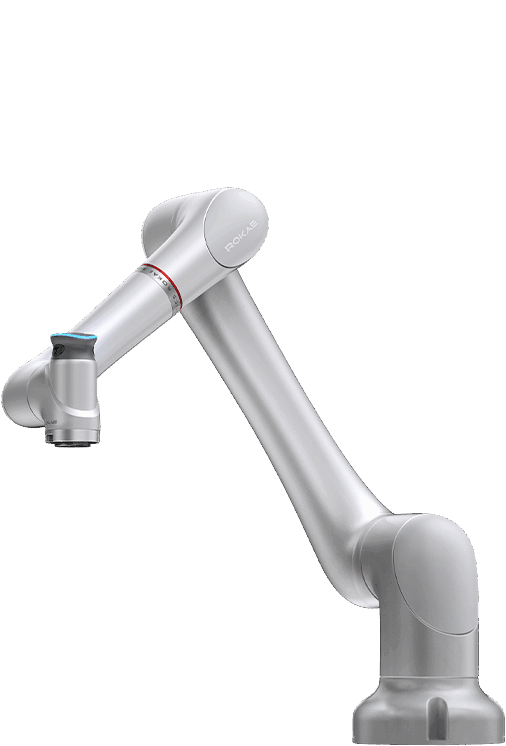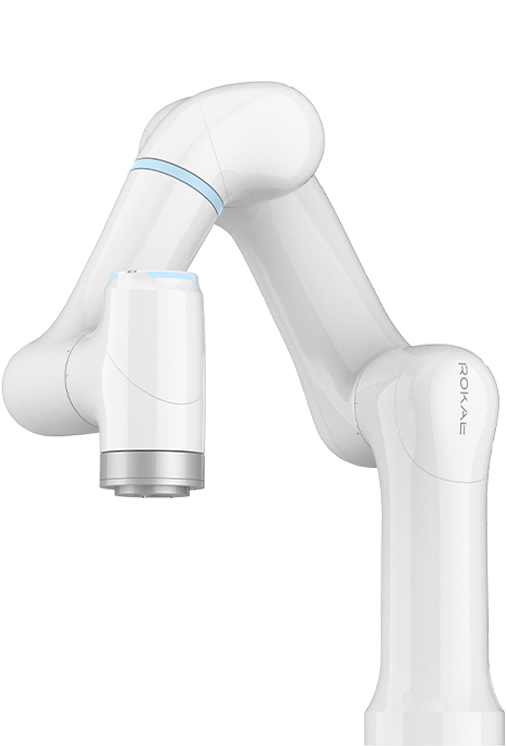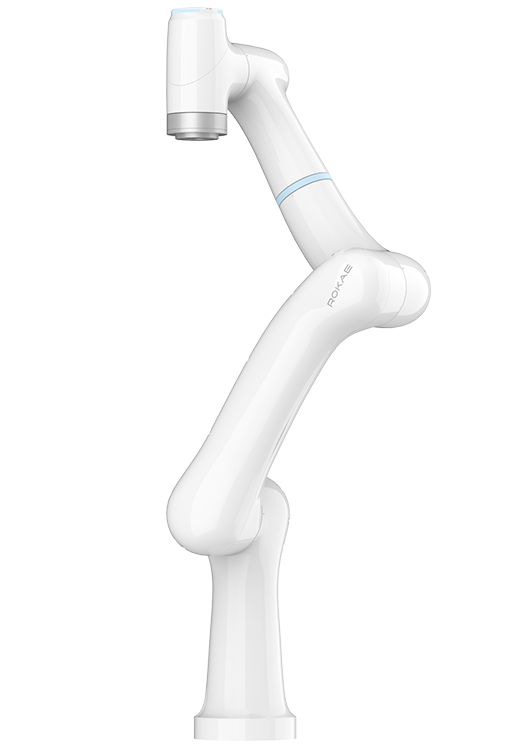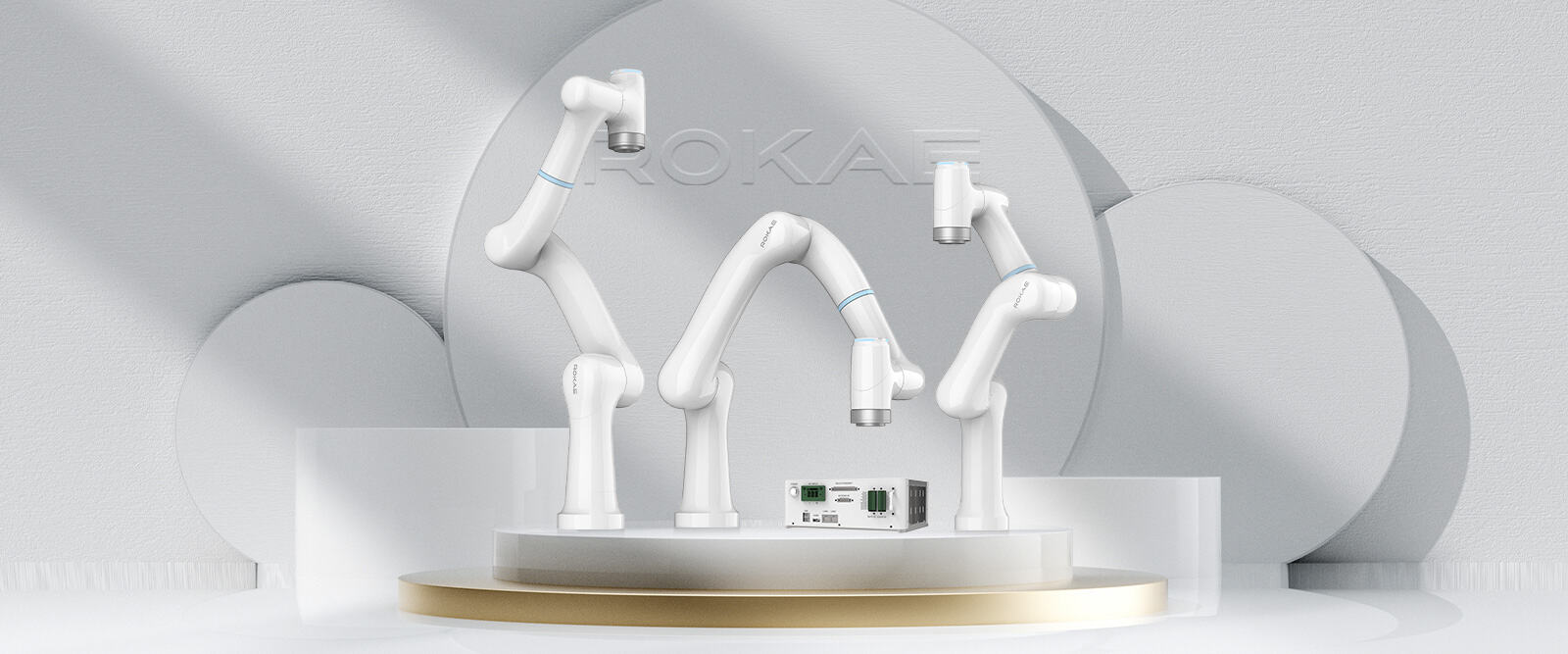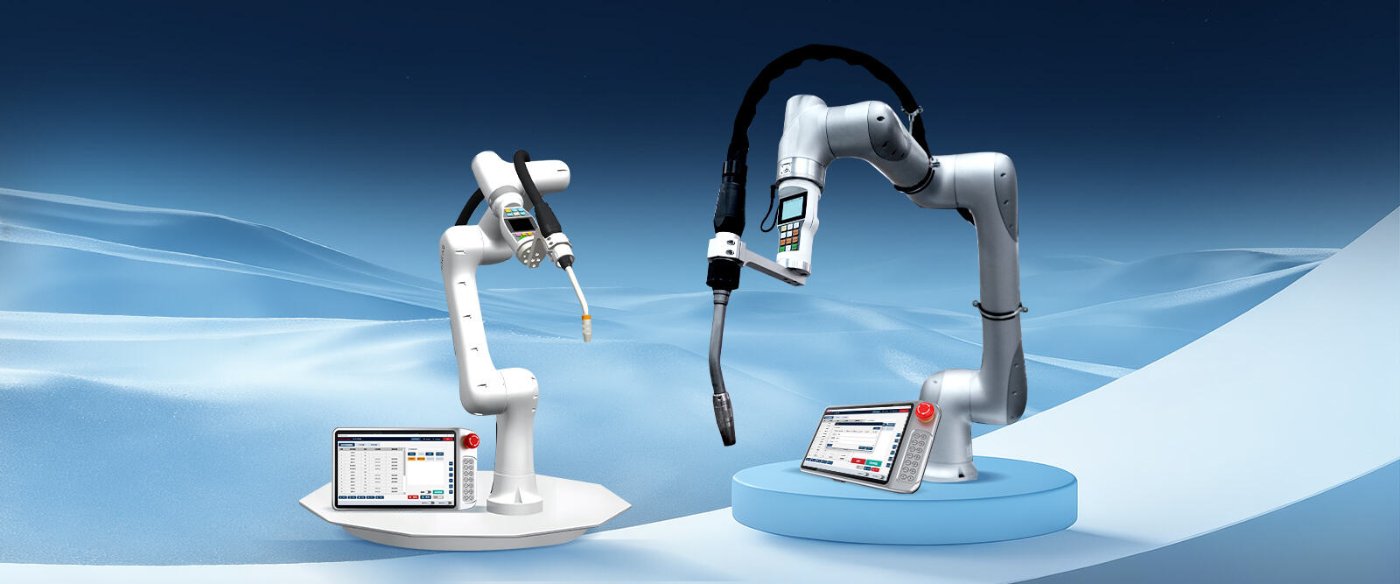
The shortage of experienced welders is one of the most pressing problems facing metalworking companies in Bulgaria. At the same time, conventional robotic welding cells often don't pay off for companies that work in small batches with constantly changing parts. ROKAE's answer is its series of intelligent force-controlled welding cobots – robots that are set up in minutes, work safely alongside people and deliver consistent weld quality.
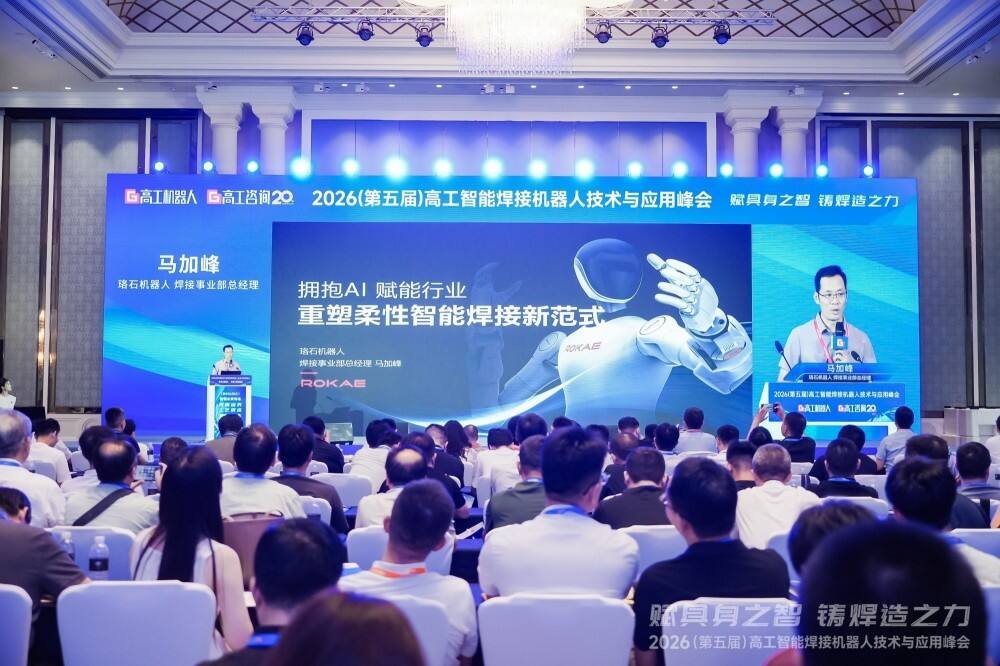
ROKAE's flexible welding solutions were also presented at this year's GGII 2026 Intelligent Welding Robot Summit in Shanghai, where the company received the "Outstanding Product" award.
Four models for different tasks
The series includes four collaborative robots optimized for welding:
| Model | Payload | Reach | Repeatability | Protection |
|---|---|---|---|---|
| SR3-3/0.7C | 3 kg | 705 mm | ±0.03 mm | IP54 |
| SR5-5/0.9C | 5 kg | 919 mm | ±0.03 mm | IP54 |
| CR7-7/0.98C | 7 kg | 988 mm | ±0.02 mm | IP67 |
| CR12-12/1.4C | 12 kg | 1434 mm | ±0.03 mm | IP67 |
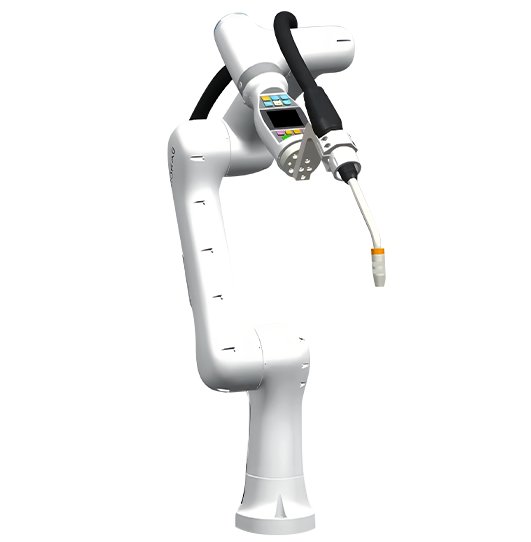
The lighter SR3 and SR5 (around 14–17 kg dead weight) are easy to mount on a mobile cart or table and suit smaller parts. The CR7 is the all-round choice for most workshops, while the CR12, with a reach of over 1.4 m, covers larger metal structures.
Force control in every joint – what you gain
The key difference from most cobots on the market is that ROKAE uses torque sensors in every joint and real-time force control at 10 kHz. In practice this means:
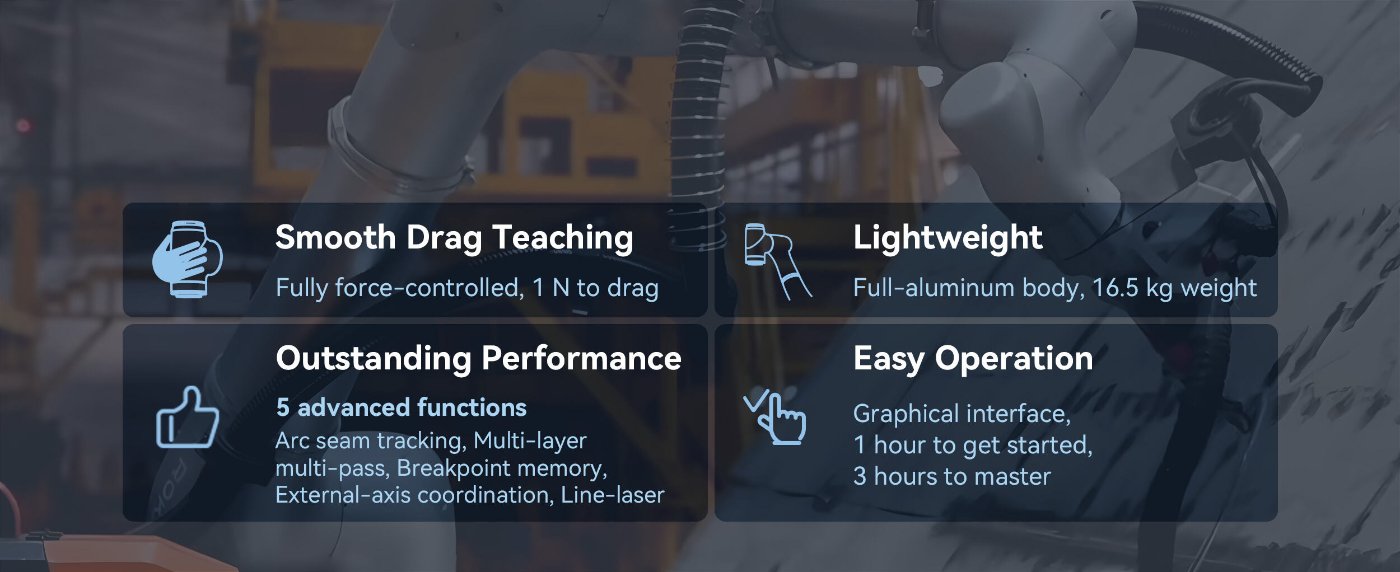
- Hand-guided teaching with as little as 1 N of force – the operator guides the torch along the seam and the robot records the path. According to ROKAE, this improves programming efficiency by about 20%.
- High path accuracy – straight-line deviation within 0.5 mm and torch orientation error below 0.8 mm.
- 5x higher collision sensitivity compared with cobots that rely on current-loop detection alone.
- Safety controller rated SIL3 and a magnetic brake with a braking distance under 1 mm.
Software built for welders
The biggest obstacle to robotic welding is usually not the hardware but the programming. ROKAE addresses this with:
- graphical programming – basic welding setup can be learned in minutes;
- a built-in expert library of welding parameters – the right process recalled in about 5 seconds;
- adaptive groove welding and fine seam correction;
- weaving modes – arc, zigzag and triangular;
- intelligent arc restart after an interruption.
The control cabinet is IP54-rated and tested for operation at temperatures up to 55 °C, making it suitable for real workshop conditions.
Where ROKAE welding cobots are used
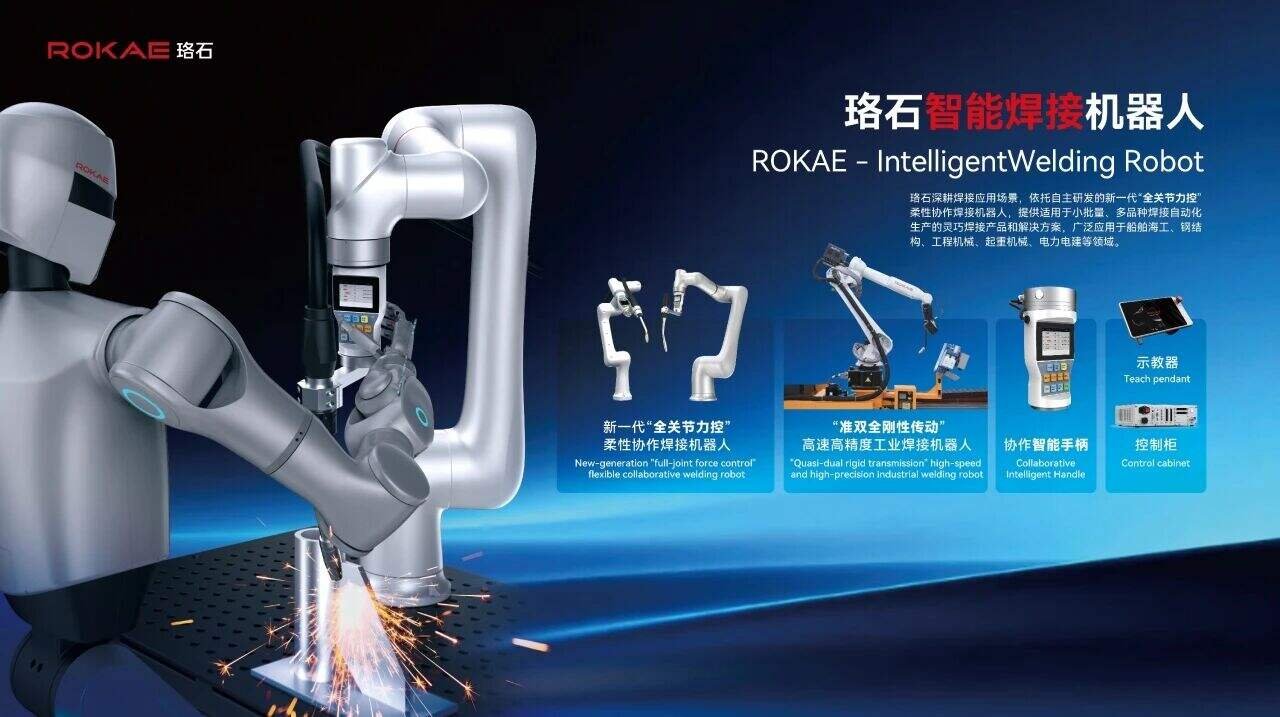
- Steel structures – frames, columns, beams, stairs, railings;
- Shipbuilding – welding deck bulkheads;
- Construction and lifting equipment – booms, cranes, frames;
- Energy and electrical equipment – cabinets, racks, enclosures;
- Automotive parts – including projection welding of nuts with 2D/3D vision.
What these applications have in common is high-mix, low-volume production – where a conventional robotic cell is hard to justify, and a cobot that can be re-set up in minutes shows its biggest advantage.
Cobot or conventional welding cell?
| ROKAE welding cobot | Conventional robotic cell | |
|---|---|---|
| Best for | small and medium batches, frequent part changes | large batches, identical parts |
| Programming | hand guiding, graphical interface | programming by a specialist |
| Footprint | compact, mobile | requires fencing and more floor space |
| Deployment | days | weeks to months |
Often the best solution is a combination – a cobot for flexible orders and a ROKAE NB series industrial robot for series production.
Deployment in Bulgaria with Artec Robotics
As the official ROKAE distributor and integrator for Bulgaria, Greece and Romania, Artec Robotics offers a complete robotic welding solution: model selection, a package with welding power source, torch and positioner, integration, operator training at our training center, and service support.
Want to see a ROKAE welding cobot in action on your own part? Contact us and request a demo.
Frequently asked questions
Is a welding cobot suitable for small batches?
Yes. Hand-guided teaching and the built-in parameter library make it possible to re-set up for a new part in minutes.
What is the advantage of force control in welding?
The robot can be guided with minimal effort, detects collisions with high sensitivity and works safely alongside people.
Which model should I choose?
SR3 and SR5 for smaller parts and tight workspaces; CR7 for general-purpose tasks; CR12 for larger structures. Our team will help you choose based on your specific parts.